How to get rid of varicose veins for good: a complete guide to effective treatments and medical advice
Dr Eva Garrigós · 5 February 2026
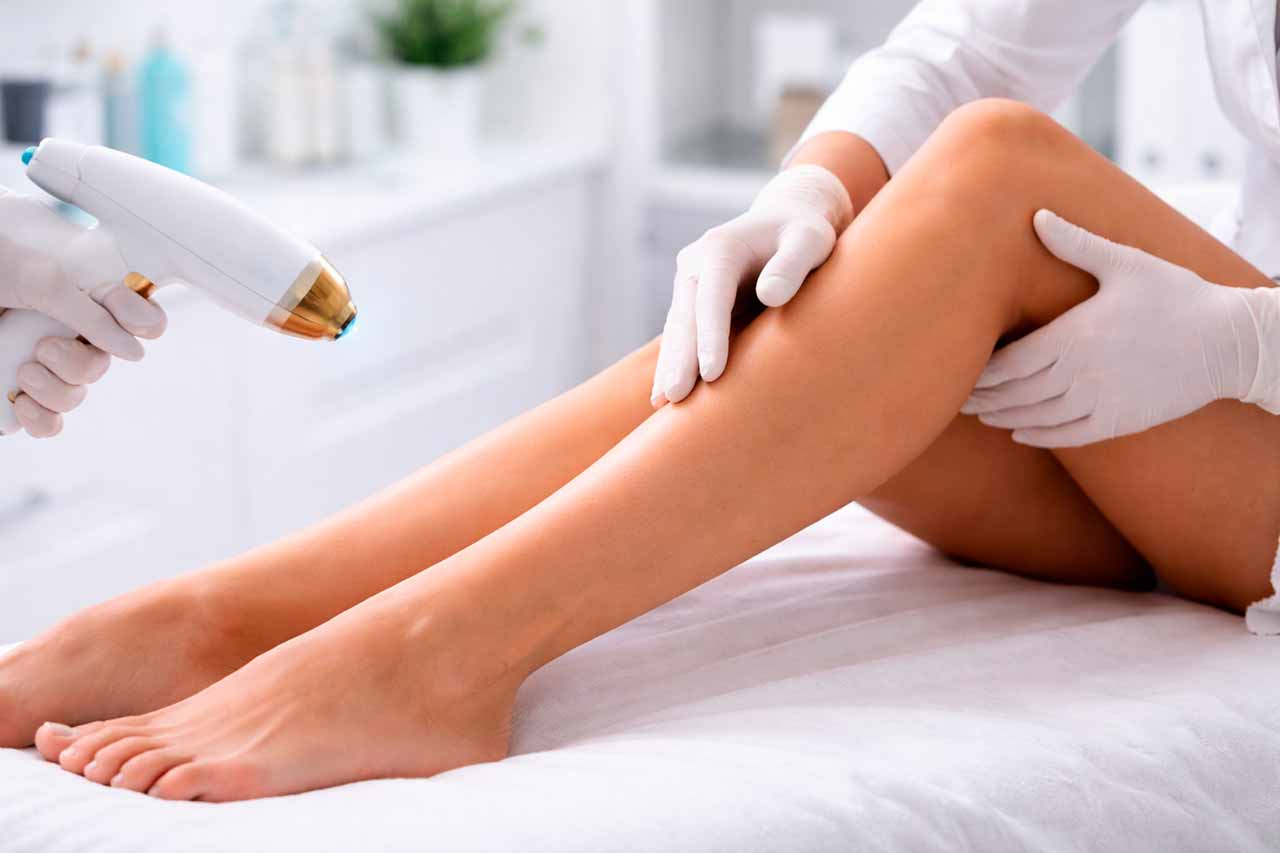
If you have ever wondered how to get rid of varicose veins for good, you are not alone. At our clinic we see people every day who are looking for a real, safe and lasting solution to improve the health and appearance of their legs.
Varicose veins are not just a cosmetic concern. In many cases they affect your well-being, cause discomfort and, over time, can lead to more serious circulatory problems. That is why in this article we want to explain clearly, honestly and professionally what options are available today and how to address them successfully.
What varicose veins are and why they appear on the legs
Varicose veins are dilated, twisted veins that appear mainly on the legs due to problems with venous return. In other words, the blood does not flow properly back to the heart and pools.
The difference between varicose veins, spider veins and reticular veins
Not all venous changes are the same:
- Spider veins: fine, reddish or purplish, superficial.
- Reticular veins: slightly thicker, bluish.
- Varicose veins: dilated, bulging and visible.
Each type requires a different approach, which is why diagnosis is key.
Main causes: genetics, age, work and lifestyle
The most common causes include:
- Family history
- Natural ageing
- Jobs that involve standing or sitting for many hours
- A sedentary lifestyle
- Pregnancy
- Excess weight
Often it is not a single cause but a combination.
Risk factors that encourage them to appear
Some factors that increase the risk are:
- Lack of exercise
- Poor diet
- Wearing very tight clothing
- Frequently wearing high heels
- Prolonged stress
Small daily habits have more influence than we think.
Types of varicose veins and their level of severity
Not all varicose veins are equally significant from a medical point of view.
Mild, moderate and severe varicose veins
- Mild: spider veins and small veins.
- Moderate: visible veins with occasional discomfort.
- Severe: pain, swelling, skin changes, ulcers.
Each level needs a different approach.
When varicose veins can become a health problem
When symptoms appear such as:
- Persistent pain
- Chronic swelling
- Changes in skin colour
- Wounds that do not heal
we are no longer talking only about aesthetics.
Warning signs that require medical attention
You should see a doctor if you notice:
- Hardening of the veins
- Spontaneous bleeding
- Intense itching
- A localised sensation of heat
These signs may indicate complications.
Is it possible to get rid of varicose veins for ever? Myths and reality
One of the most common questions is: “Can they be removed for ever?”. The answer is: yes, with some caveats.
Which treatments offer long-lasting results
Today there are highly effective techniques that permanently eliminate the affected veins. Once properly treated, those varicose veins do not come back.
Why some varicose veins reappear over time
What can happen is that new varicose veins appear, especially if the risk factors persist. This is not a failure of the treatment but part of the natural course of the condition.
Realistic expectations about the results
We always recommend having realistic expectations:
- A clear aesthetic improvement
- Reduced symptoms
- Prevention of complications
But commitment on the patient’s part is also needed.
Medical treatments to get rid of varicose veins for good
We currently have a number of effective and safe options.
Sclerotherapy: how it works and when it is recommended
It involves injecting a substance that closes the vein. It is ideal for:
- Spider veins
- Small veins
- Mild cases
It is one of the most widely used treatments.
Vascular laser and endovenous radiofrequency
These techniques use thermal energy to close the vein from the inside. They are:
- Precise
- Minimally invasive
- Quick to recover from
Highly suitable for medium and large varicose veins.
Varicose vein surgery: when it is necessary
It is used less often today, but it is still useful in:
- Advanced cases
- Very extensive varicose veins
- Serious complications
It is always assessed on an individual basis.
New minimally invasive techniques
Notable current options include:
- Venous adhesives
- Ultrasound-guided microfoam
- Endovenous sealing
These advances make it possible to treat veins without conventional surgery.
In addition, many patients combine these treatments with body care programmes such as those we offer in our specialist body treatments.
Natural remedies and home solutions: do they really work?
It is worth being clear here: they do not eliminate varicose veins, but they can relieve symptoms.
The most commonly used creams, gels and topical products
They usually contain:
- Horse chestnut
- Menthol
- Arnica
- Centella asiatica
They provide a cooling sensation and temporary relief.
Medicinal plants and natural supplements
Some supplements help circulation, but they never replace medical treatment.
The limitations of alternative treatments
They do not eliminate damaged veins. They only slightly ease the feeling of heaviness.
Lifestyle changes to prevent and improve varicose veins
Treatment does not end in the consulting room.
Recommended exercises for blood circulation
We recommend:
- Walking every day
- Swimming
- Cycling
- Ankle exercises
They are simple and very effective.
A healthy diet to strengthen the veins
A diet rich in:
- Fruit
- Vegetables
- Omega-3
- Fibre
supports vascular health.
Daily habits that help reduce swelling
Small gestures such as:
- Raising your legs
- Avoiding crossing them
- Changing position
- Getting enough rest
make all the difference.
Wearing compression stockings: benefits and recommendations
Stockings are still a great ally.
Types of stockings by compression level
There are several levels:
- Light
- Medium
- High
- Therapeutic
They should always be prescribed.
How to choose the right size
The wrong size loses effectiveness. We measure the ankle, calf and thigh.
When and how to wear them correctly
Ideally, put them on in the morning and take them off at night.
How much it costs to remove varicose veins and what affects the price
The price varies from case to case.
Approximate cost of each treatment
As a guide:
- Sclerotherapy: depending on the number of veins and sessions.
- Laser: depending on the area and the size of the vessels.
- Endovenous: depending on the vein and the scope of the treatment.
A quote is always given after the medical assessment.
Differences between private clinics and the public health system
The public health system only covers serious medical cases. Private clinics also give priority to aesthetic concerns.
Factors that affect the final quote
Factors include:
- Number of sessions
- Type of varicose vein
- Technology used
- Follow-up
The diagnostic process: how a specialist assesses varicose veins
A good result starts with a thorough assessment.
Physical examination and Doppler ultrasound
Doppler ultrasound allows blood flow to be seen in real time. It is essential.
The importance of a personalised diagnosis
Every patient is different. There are no standard treatments.
A treatment plan tailored to the patient
We design a specific plan based on your real needs.
Aftercare to maintain the results
Post-treatment care is key.
Post-operative and post-treatment recommendations
We normally advise:
- Walking from the first day
- Wearing stockings
- Avoiding intense heat
Activities to avoid
For a few weeks:
- Saunas
- Direct sun
- Intense sports
- Deep massages
Long-term medical follow-up
Regular check-ups help prevent recurrence.
Real cases and before-and-after results
Nothing is more convincing than real results.
Experiences of treated patients
Many patients tell us: “I wish I had done it sooner”. It is very common.
Usual recovery times
Most people return to their normal lives within a few days.
Satisfaction levels after removing varicose veins
Satisfaction is usually very high, both aesthetically and functionally.
Frequently asked questions about getting rid of varicose veins for good
Does the treatment hurt?
Generally, no. We use techniques that cause little pain and local anaesthetic if needed.
Can they be treated in summer?
Yes, although we usually recommend autumn and winter for greater comfort.
Is it safe at any age?
Yes, provided there has been a prior medical assessment.
Do insurers cover these procedures?
Only in serious medical cases. Aesthetic treatments are usually private.
Conclusion: the best strategy to get rid of varicose veins and stop them coming back
Summary of the options available
Today we can offer:
- Minimally invasive techniques
- Long-lasting results
- Quick recovery
- A high level of safety
The importance of seeing a specialist
Trying home remedies or delaying treatment usually makes the problem worse. A specialist makes all the difference.
Keys to keeping your legs healthy in the long term
Finally, remember:
- Professional diagnosis
- The right treatment
- Healthy habits
- Regular follow-up
If you are looking for how to get rid of varicose veins for good, the key lies in combining medical technology, clinical experience and personal commitment. We are here to support you throughout the process and help you restore the health and beauty of your legs with confidence and peace of mind.
[googlesitekit-end-of-content]