Orange-peel skin on the legs: causes, effective solutions and how to get rid of it
Dr Eva Garrigós · 5 February 2026
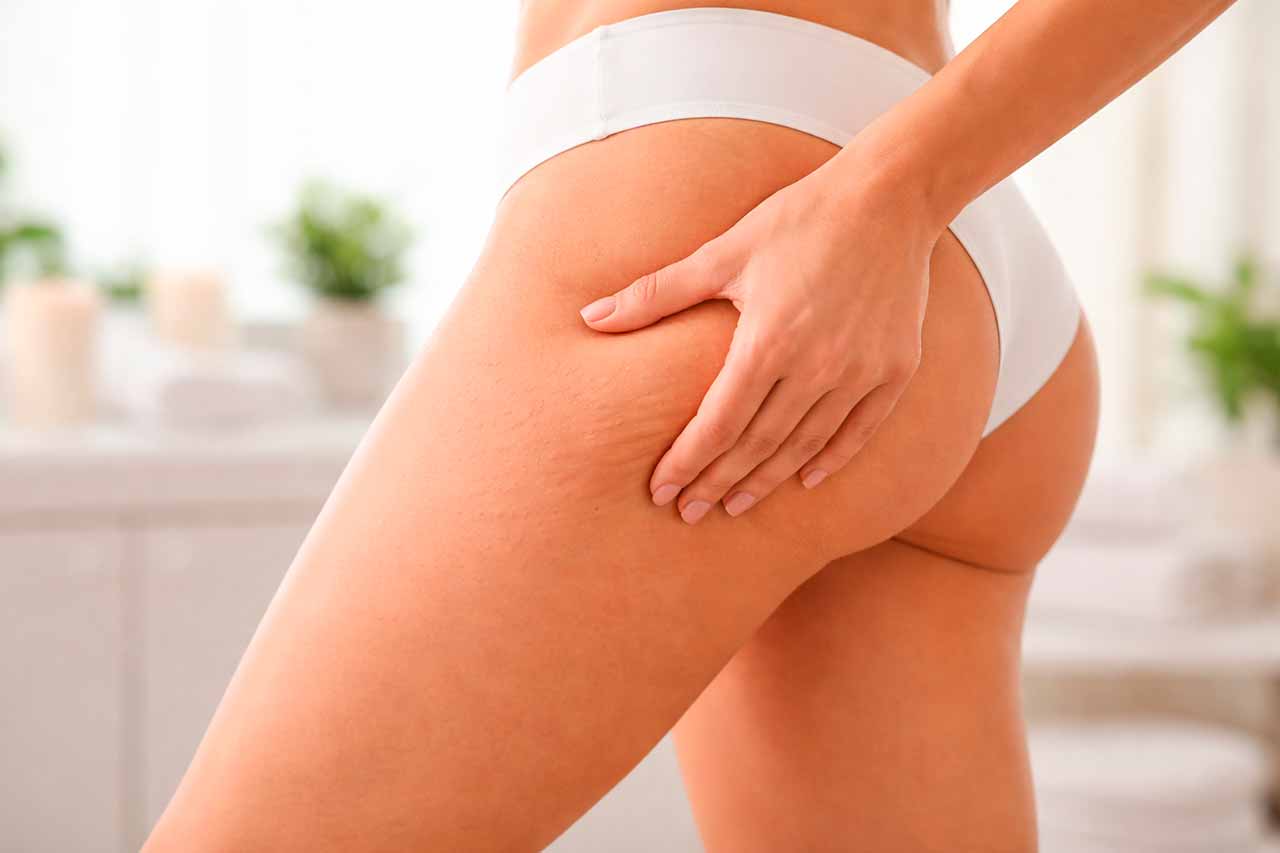
Orange-peel skin on the legs is one of the most common aesthetic concerns, especially among women, although more and more men are also seeking advice about it. That uneven appearance, with small dimples or bumps, can affect our self-esteem and make us feel uncomfortable, even when we lead a healthy life.
From our experience in aesthetic medicine, we know that there is no magic solution, but there is a combination of habits, treatments and consistency that makes a real difference. In this article we want to explain, clearly and honestly, everything you need to know to improve the appearance of your skin.
What is orange-peel skin and why does it appear on the legs?
So-called orange-peel skin is a visible sign of cellulite, which occurs when fat deposits push upwards and the connective tissue pulls downwards, creating that characteristic uneven appearance.
The difference between cellulite, localised fat and fluid retention
Although we tend to lump them all together, they are not the same:
- Cellulite: an alteration of the subcutaneous tissue.
- Localised fat: an accumulation of fat cells.
- Fluid retention: a build-up of fluid in the tissues.
On the legs, all three factors are often combined.
How the uneven appearance forms in the skin
Over time, microcirculation worsens, collagen weakens and fat cells increase in size. All of this causes the surface of the skin to lose its smoothness.
Put simply: the skin loses support from within.
Hormonal, genetic and circulatory factors
Not everything depends on you. Other factors include:
- Hormonal changes (puberty, pregnancy, menopause).
- Genetic predisposition.
- Poor venous or lymphatic circulation.
That is why we see slim people with a lot of cellulite and overweight people with less.
Main causes of rough-looking skin on the legs
The influence of diet and a sedentary lifestyle
A diet high in ultra-processed foods, salt and sugar encourages inflammation. If we also spend many hours sitting down, circulation suffers.
Movement + a good diet = the essential foundation.
Lack of hydration and skin elasticity
Dehydrated skin loses elasticity and shows irregularities more. Drinking water and using suitable skincare is more important than it seems.
Circulatory and lymphatic problems
When venous return is poor, toxins and fluids build up. This makes the legs look noticeably worse.
Stress, smoking and other harmful habits
Chronic stress, smoking and poor sleep directly affect collagen and tissue oxygenation.
Yes, even that has an effect.
Types of orange-peel skin by severity
Soft cellulite: characteristics and signs
This is the most common type. It shows when you pinch the skin or sit down. It usually appears together with sagging.
Hard cellulite: how to recognise it
It is more compact, firm and sometimes painful. It appears in young and sporty people.
Oedematous cellulite: risks and symptoms
The most complex type. It is associated with circulatory problems, swelling and a feeling of heaviness.
In these cases, a professional assessment is always advisable.
How to get rid of orange-peel skin on the legs effectively
Lifestyle changes that make a difference
Before talking about treatments, we must be clear: without healthy habits, there are no lasting results.
We recommend:
- Walking every day.
- Sleeping well.
- Cutting down on salt and alcohol.
- Keeping regular routines.
A daily routine to improve the appearance of your skin
A simple routine could be:
- A lukewarm-to-cool shower.
- Applying cream with upward massage.
- Stretching.
- Internal hydration.
It is not complicated, but it requires consistency.
The importance of consistency for results
Here comes the less glamorous part: real changes come in weeks or months, not days. Those who persevere win.
Natural treatments to improve skin texture
Anti-cellulite massage and lymphatic drainage
Manual massage or massage with rollers helps to mobilise fat and fluid. Lymphatic drainage is particularly useful in oedematous cases.
Firming oils and creams
They do not work miracles, but when used properly they:
- Improve hydration.
- Stimulate circulation.
- Provide elasticity.
Look for ingredients such as caffeine, retinol or centella asiatica.
Exfoliation and body care at home
Exfoliating once or twice a week removes dead cells and improves the absorption of active ingredients.
A small gesture with a big impact.
Recommended exercises to tackle uneven skin on the legs
Strength training to tone
Firm muscles “stretch” the skin from within.
Key exercises:
- Squats
- Lunges
- Deadlifts
- Hip thrusts
Cardio to boost circulation
Brisk walking, cycling or swimming support venous return.
There is no need to wear yourself out: 30–40 minutes, 4 times a week, already helps a great deal.
A weekly routine focused on legs and glutes
Example:
- Monday: strength
- Wednesday: cardio
- Friday: strength
- Sunday: brisk walk
Simple and sustainable.
Diet and key nutrients for firmer skin
Foods that help reduce cellulite
Include:
- Antioxidant-rich fruit
- Green vegetables
- Lean protein
- Healthy fats
What to avoid so as not to make it look worse
Cut down on:
- Pastries
- Fried food
- Alcohol
- Fizzy drinks
There is no need to ban them, but do keep them in moderation.
Hydration and recommended supplements
Drinking at least 1.5–2 litres a day is essential.
Some useful supplements:
- Collagen
- Vitamin C
- Omega-3
Always under supervision.
Professional aesthetic treatments: are they worth it?
When self-care is not enough, medical treatments can make a real before-and-after difference.
At Dr Eva Garrigós's clinic we have advanced technology to treat cellulite at its source. You can see our options at https://www.dragarrigos.es/tratamientos-corporales/
Radiofrequency and cavitation
- Radiofrequency: stimulates collagen.
- Cavitation: breaks down localised fat.
The combination is usually very effective.
Mesotherapy and carboxytherapy
- Mesotherapy: injection of active ingredients.
- Carboxytherapy: CO₂ to improve oxygenation.
Medical treatments with scientific backing.
Results, prices and duration
Results depend on the case, but are usually visible from the 3rd or 4th session. The investment is worthwhile when accompanied by the right habits.
Common myths and mistakes about orange-peel skin
Does it only affect overweight people?
False. Up to 90% of women have it to some degree, regardless of their weight.
Miracle creams: realistic expectations
No cream gets rid of cellulite on its own. They help, yes. Replace good habits, no.
What really works and what doesn't
What works:
- Consistency
- Professional treatments
- Exercise
- Diet
What doesn't work:
- Quick fixes
- Miracle products
- Giving up after a week
How to prevent orange-peel skin in the long term
Daily habits to keep skin firm
- Moving every hour.
- Staying well hydrated.
- Regular massage.
- Good posture.
A sustainable body-care routine
The ideal is to create a realistic routine, not a perfect one. Better a little and often than a lot every now and then.
Prevention according to age and skin type
From the age of 30 it is advisable to step up your care. From 40, combine it with medical treatments.
Real cases and results: what you can expect
Realistic timeframes for improvement
Typically:
- 1 month: improved texture
- 3 months: visible change
- 6 months: consolidation
Factors that influence results
These include:
- Age
- Hormones
- Consistency
- Genetics
- Lifestyle
How to measure progress
Take monthly photos in the same light and position. It is the most objective method.
Frequently asked questions about orange-peel skin on the legs
Can it be completely eliminated?
In most cases, it can be reduced considerably, although getting rid of it 100% is not always realistic.
At what age does it usually appear?
From adolescence, although it intensifies with hormonal changes.
Which treatment is most effective?
A personalised combination is always the best option. There is no single universal treatment.
Conclusion: how to regain smooth, healthy skin on your legs
Orange-peel skin on the legs is not a life sentence or a personal failing. It is a multifactorial condition that can improve considerably with the right approach.
In our experience, success rests on three pillars:
- Healthy habits
- A consistent routine
- Personalised professional treatments
If we work on these aspects together, the results will come. Not quickly, not by magic… but in a real and lasting way.
Regaining smoother, firmer and healthier skin is possible. And you can start today.
[googlesitekit-end-of-content]