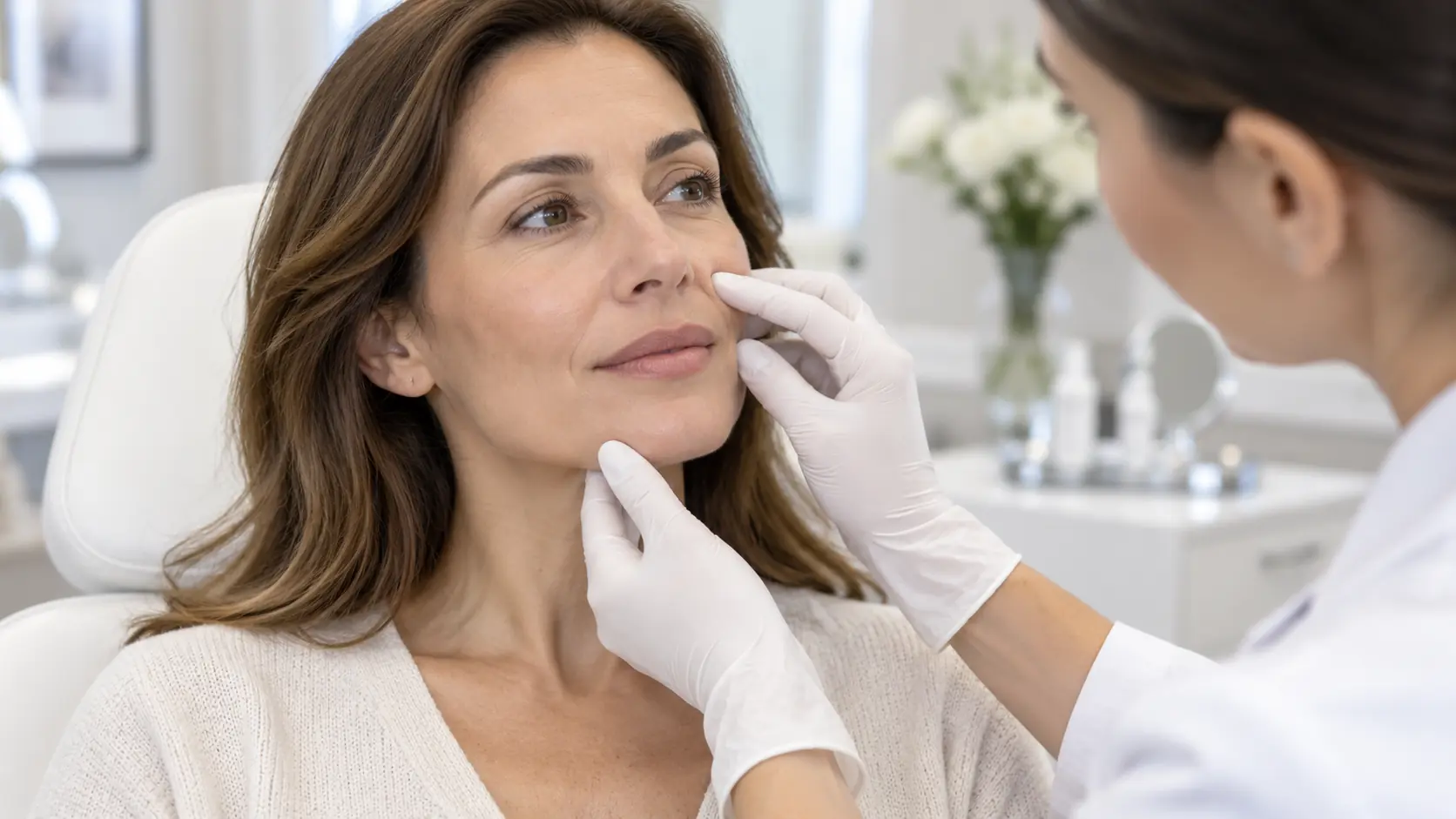
What is carboxytherapy? A complete guide to this aesthetic treatment
Dr Eva Garrigós · 10 December 2025
When it comes to aesthetic treatments that deliver visible results without surgery, carboxytherapy is undoubtedly one of the techniques that deserves attention. In fact, many people are surprised to discover just how versatile the infiltration of medical CO₂ can be. And we like to explain it calmly, because we understand that if you are here, it is because you want to know what carboxytherapy is, how it works and whether it can genuinely help you. So we are going to tell you everything, straight to the point, but also with that personal touch that might make you feel as if you were chatting with us in the consulting room.
What carboxytherapy involves and how it works
Carboxytherapy is a medical-aesthetic treatment based on the subcutaneous or intradermal infiltration of carbon dioxide (CO₂) for therapeutic purposes. Although it may sound a little technical (and perhaps even strange), it is a procedure with years of history in medicine. The essential point is that CO₂ stimulates microcirculation, improves the local metabolism of cells and promotes tissue oxygenation.
Origin and development of the method
Although many people think it is a modern technique, it actually originated in France in the 1930s, at the spas of Royat. There, doctors began using CO₂ to improve circulatory problems. Over time, it was discovered that it also had remarkable effects on the skin, localised fat and cellulite. And so it evolved into what we know today: a safe, versatile aesthetic treatment with considerable scientific backing.
How CO₂ acts in the body
The way it works is almost elegant: when CO₂ is injected, the body interprets that there is an excess of carbon dioxide in that area. As a natural response, it increases blood flow and the supply of oxygen. This reaction causes:
- Vasodilation.
- Release of growth factors.
- Improved cellular exchange.
- Increased local metabolism.
In short, the body reacts by activating itself, as if it “woke up” to regenerate and improve the appearance of the treated tissue.
Main benefits of CO₂ treatment
Carboxytherapy is one of those treatments that surprises people because it is not limited to a single aesthetic concern, but addresses several, and quite effectively.
Improved circulation and tissue oxygenation
This is one of its most solid benefits. Many people notice their skin is more elastic, vital and radiant. And it is not magic, it is pure physiology: if an area has a better blood supply, it works better.
Reduction of cellulite, laxity and localised fat
This is where carboxytherapy is particularly well known. CO₂ manages to break down the fibrosis typical of cellulite, helps mobilise superficial fat and stimulates collagen production. All of this translates into:
- Smoother skin.
- Less of an “orange-peel” appearance.
- Reduced mild or moderate laxity.
Sometimes we put it colloquially: “the skin feels more compact”.
Facial rejuvenation and improved skin quality
On the face, CO₂ improves skin microcirculation, encourages regeneration and gives that “rested” look so many clients are after. It can help with:
- Vascular dark circles.
- Dull skin.
- Fine lines.
- Hollow under-eyes due to a lack of tone (though no miracles, never that).
Step-by-step procedure: what to expect in a session
If you have never had a session, you are probably wondering: “Does it hurt? How long does it take? What do I need to do beforehand?”. Let us explain it step by step.
Patient preparation beforehand
No complicated preparation is needed. We usually ask you to:
- Avoid self-heating creams the day before.
- Drink water.
- Tell us if you are taking any medication.
And very little else, honestly.
Application of the carbon dioxide
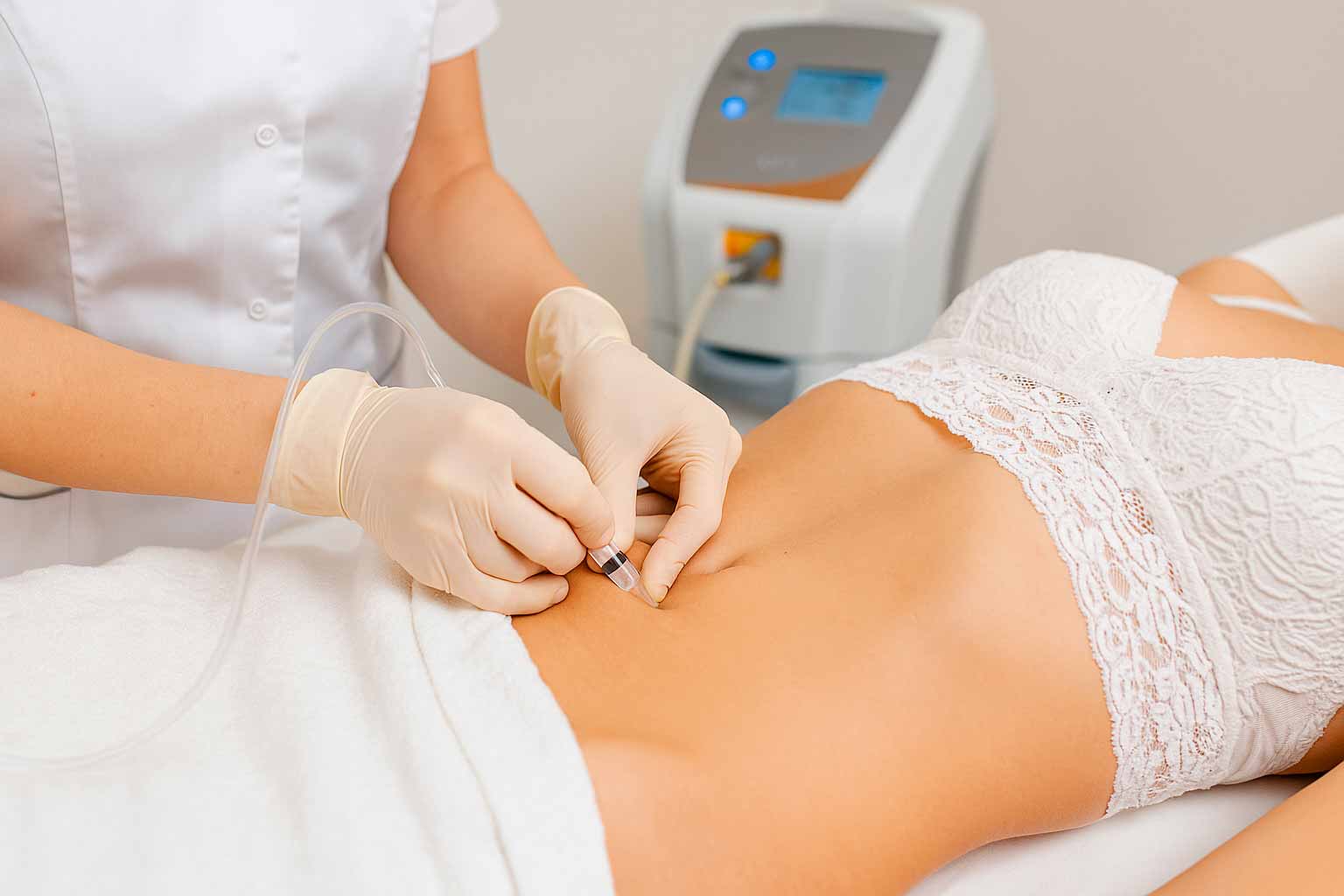
During the session, we use medical equipment designed to precisely control the dose, flow and temperature of the gas. With a very fine needle (yes, genuinely very fine) we infiltrate small amounts of CO₂ into the area. In general, the procedure takes between 20 and 45 minutes.
Sensations during and after the treatment
The sensation is a peculiar one, like a slight tingling, sometimes a little pressure, but it is usually very well tolerated. Some people mention feeling warmth or mild swelling, which is normal and expected. Afterwards, you can return to your routine without any problem, although you may notice slight tenderness for a few hours.
Important indications and contraindications
Like any medical treatment, it has its indications and also its limitations.
Cases in which it is recommended
- Cellulite.
- Laxity on the legs, buttocks, abdomen or arms.
- Mild localised fat.
- Vascular dark circles.
- Aged skin or skin lacking vitality.
It is sometimes also used as an adjuvant after cosmetic surgery.
Situations in which it is not appropriate
- Pregnancy.
- Serious cardiopulmonary diseases.
- Active skin infections.
- Clotting disorders.
- People with an extreme fear of needles (although in that case we look for alternatives).
We always recommend a medical assessment before starting, because safety comes first… even if it sounds like a cliché.
Results: when they are noticed and how long they last
Here we are usually frank: carboxytherapy is very effective, but it requires consistency.
Sessions needed for each goal
The most common course is between 8 and 12 sessions, one a week or even two in some cases. For dark circles fewer may be needed; for moderate cellulite, more. It depends on the starting point.
Factors that influence how long the effects last
- Lifestyle.
- Diet.
- Level of physical activity.
- Age.
- Tissue quality.
The effects usually last several months on average. With maintenance sessions, they last longer.
Risks and possible side effects
Carboxytherapy is safe, but it is not entirely free of minor discomfort.
Common mild reactions
- Temporary redness.
- Slight oedema.
- Discomfort or pressure in the area.
- The occasional small bruise.
Nothing serious, but we would rather you knew before you start.
When to see a medical professional
If you notice persistent pain, excessive inflammation or any reaction that worries you, the best thing is to see a qualified professional. That is precisely why we insist that this treatment should always be carried out in specialised medical centres, such as the practice of Dr Garrigós, where we work with approved equipment and strict protocols.
Treatment price and the variables that affect the cost
Prices vary according to the area to be treated, the number of sessions recommended and the equipment used. Fees per session usually fall within an affordable range, although the most important thing is to have an assessment to determine whether this treatment is really right for you. Some people need only a few sessions, while others require a more complete plan.
Comparison with other alternative aesthetic treatments
Carboxytherapy can be combined with other techniques, or even replaced by them when a case calls for it.
Mesotherapy
Ideal for improving skin quality through micro-injections of vitamins and biostimulating substances. Combined with carboxytherapy, it is very powerful.
Radiofrequency
Uses deep heat to stimulate collagen. It is excellent for improving firmness, and we sometimes suggest it as a complement when laxity is more evident.
Cavitation
Specialises in breaking down fat using ultrasound. Useful for localised fat, but it does not work on circulation the way carboxytherapy does.
Conclusion: is carboxytherapy worth it?
In our opinion, yes, it is very much worth it, provided it is carried out with medical judgement and realistic expectations. It is not a miracle treatment, but it is a very effective tool for improving texture, cellulite and mild laxity and for revitalising the skin. It is also safe, versatile and suits a wide range of profiles.
If you would like to find out more or start a carboxytherapy treatment in Alicante, we will be delighted to see you, advise you and answer any questions you may have. Sometimes a first consultation changes more than you imagine, and who knows, perhaps this is the perfect moment to start looking after yourself with a fresh approach.
[googlesitekit-end-of-content]