Skinboosters: what they are, what they are for and what results to expect
Dr Eva Garrigós · 10 March 2026
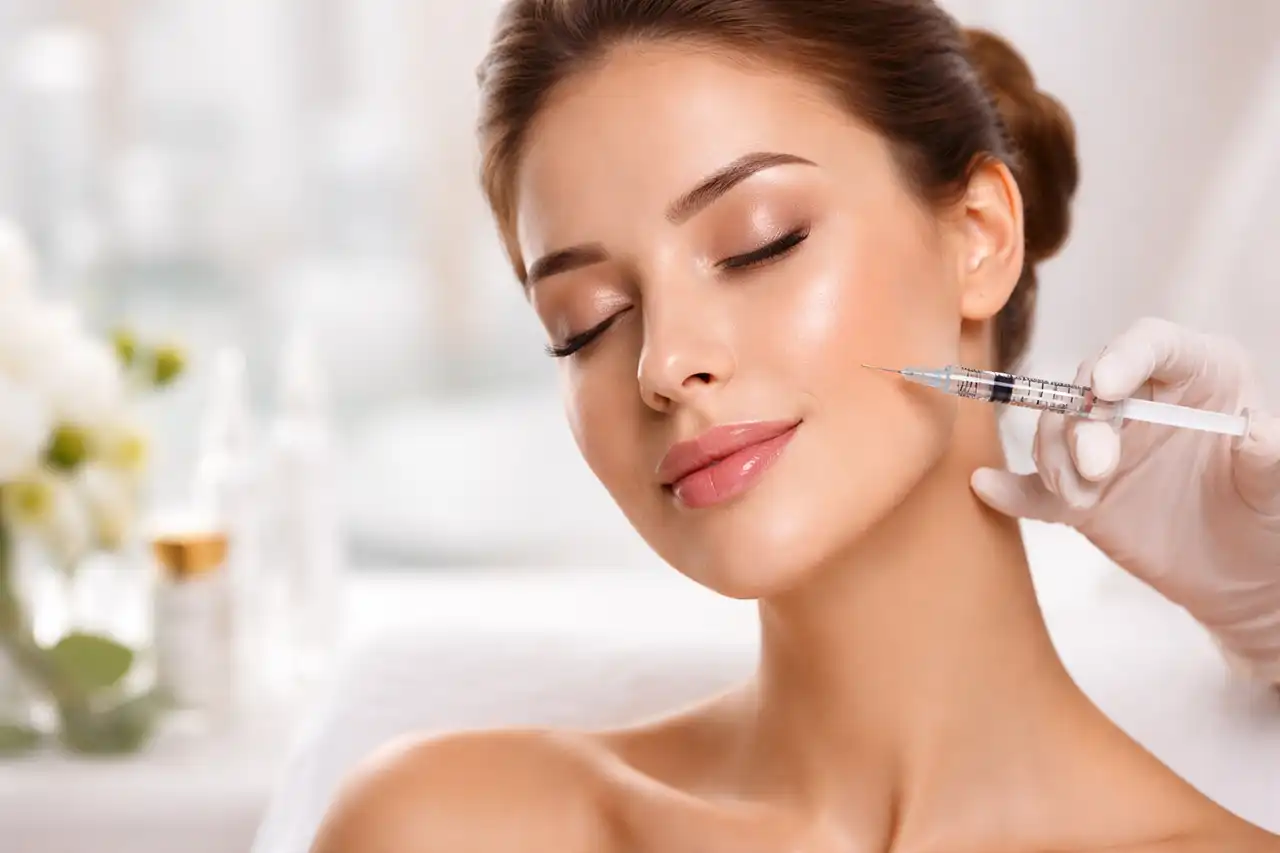
If you have ever looked in the mirror and thought “it is not that I have wrinkles… it is that my skin looks dull”, you are probably already very close to understanding why skinboosters have become one of the most requested treatments in clinic. We are not talking about “changing your face”, marked volumes or an exaggerated before and after. We are talking about skin quality: deep hydration, radiance, a more even texture and that “healthy glow” feeling that is hard to achieve with creams alone (however good they are).
At Dr Eva Garrigós’s aesthetic medicine clinic we usually explain it like this: skinboosters are like a shot of hydration from within, designed to improve how your skin behaves when light hits it head-on, when you put on make-up, when you smile or when you have not slept particularly well. And yes: it shows.
What are skinboosters and how do they differ from dermal fillers?
Skinboosters are injectable treatments aimed at improving hydration and skin quality. They are usually based on hyaluronic acid (in a different formulation from that of fillers) and, depending on the case, may include other actives such as vitamins, amino acids or antioxidants.
The key difference from dermal fillers is the purpose of the treatment:
- Fillers aim to add volume, project, fill folds or redefine contours (cheekbones, lips, chin, etc.).
- Skinboosters aim to improve the skin: more hydrated, plumper, with better texture and radiance, and less of a “crumpled paper” look.
Put simply: a filler “sculpts”; a skinbooster “regenerates” the appearance of the skin. It is not magic, but it is very rewarding.
Main benefits: deep hydration, radiance and improved texture
When a patient asks us “what are they really for?”, we usually sum it up in three pillars:
- Deep hydration: hyaluronic acid attracts water, which helps the skin look more elastic and feel more comfortable.
- Radiance: by improving hydration and tissue quality, the skin reflects light better. That healthy “glow” (without greasy shine) is very typical.
- Texture: many people notice their skin feels smoother to the touch and looks better with make-up (less “cracking”, less patchiness).
In addition, depending on the product and your skin, they can help with:
- fine lines
- visible pores
- superficial marks
- a slightly more even tone (without promising it will erase pigmentation, mind you)
And here is a comment very much our own: the best thing about these treatments is that the result is usually elegant. It does not “give itself away”.
Who are they for? Skin types and the most common needs
You do not need to be a particular age to benefit from an intradermal hydration treatment. There is 28-year-old skin with chronic dehydration and 55-year-old skin that is beautifully cared for yet has still lost elasticity. The key is the indication.
Dehydrated, dull skin
If your skin:
- looks tired even when you are rested,
- “asks for cream” all day long,
- feels tight after cleansing,
- loses its radiance easily…
Skinboosters are usually a very good fit. Sometimes it is as if the skin “breathes” better. It sounds a little poetic, but it is quite true.
Fine lines and “crepey skin”
That skin with fine wrinkling, as if crinkled “in miniature”, usually improves as hydration and surface elasticity increase. We are not going to tell you everything disappears (if only), but it can soften visibly, especially in areas such as:
- around the mouth
- cheeks
- neck
Visible pores, uneven texture and superficial marks
When the skin is dehydrated and uneven in texture, pores are more visible. Not because the pore “opens” like a door (that is a rather odd myth), but because the surrounding tissue loses firmness and uniformity. Improving skin quality usually makes the whole look finer and more even.
The most common treatment areas and what they bring to each
Face: cheeks, under-eye area, barcode lines and chin
- Cheeks: they add plumpness, glow and a “fuller” texture without giving the volume of a defined cheekbone.
- Under-eye area: in some selected cases, they help with the appearance of thin, dehydrated skin. Important: dark circles are a world of their own, and it must be carefully assessed whether a skinbooster, a specific filler, laser or a combination is best.
- Barcode lines: those fine lines around the lips can improve (without adding volume) with gentle, well-planned protocols.
- Chin: especially for thin skin with uneven texture.
Neck and décolletage: skin quality and elasticity
The neck and décolletage give away the passing of time very clearly and they also take a lot of sun (even if we do not realise it). Here skinboosters are quite often a “yes” for:
- improving elasticity
- reducing the appearance of dry, finely wrinkled skin
- increasing comfort and radiance
Hands: softness and a rejuvenated look
Hands can improve a great deal in texture and softness. It is not only aesthetic: some people even notice less roughness. And, by the way, it is an area where a “natural” result is really appreciated.
Substances and formulations: hyaluronic acid and other common actives
Non-cross-linked and lightly cross-linked hyaluronic acid: practical differences
Without going into chemical engineering (we promise), the idea is:
- Non-cross-linked: more focused on hydration and surface improvement; it is usually integrated quickly.
- Lightly cross-linked: maintains the effect better over time and can give the skin a “denser” feel without being a volumising filler.
In clinic we decide according to your skin, the area and the goal. It is not that “one is better than the other”, but that “one is more suitable for you”.
Combinations with vitamins, amino acids and antioxidants: when they are used
Sometimes we opt for formulas that include:
- vitamins (such as B-complex, etc.)
- amino acids
- minerals
- antioxidants
What for? To support skin quality when the skin is very damaged, there is photoageing or oxidative stress… or when we want a more complete protocol. But always with judgement: more ingredients does not always mean a better result.
If you would like to learn more about complementary routines and treatments, here is a useful resource on skincare.
What the treatment involves, step by step: consultation, technique and session length
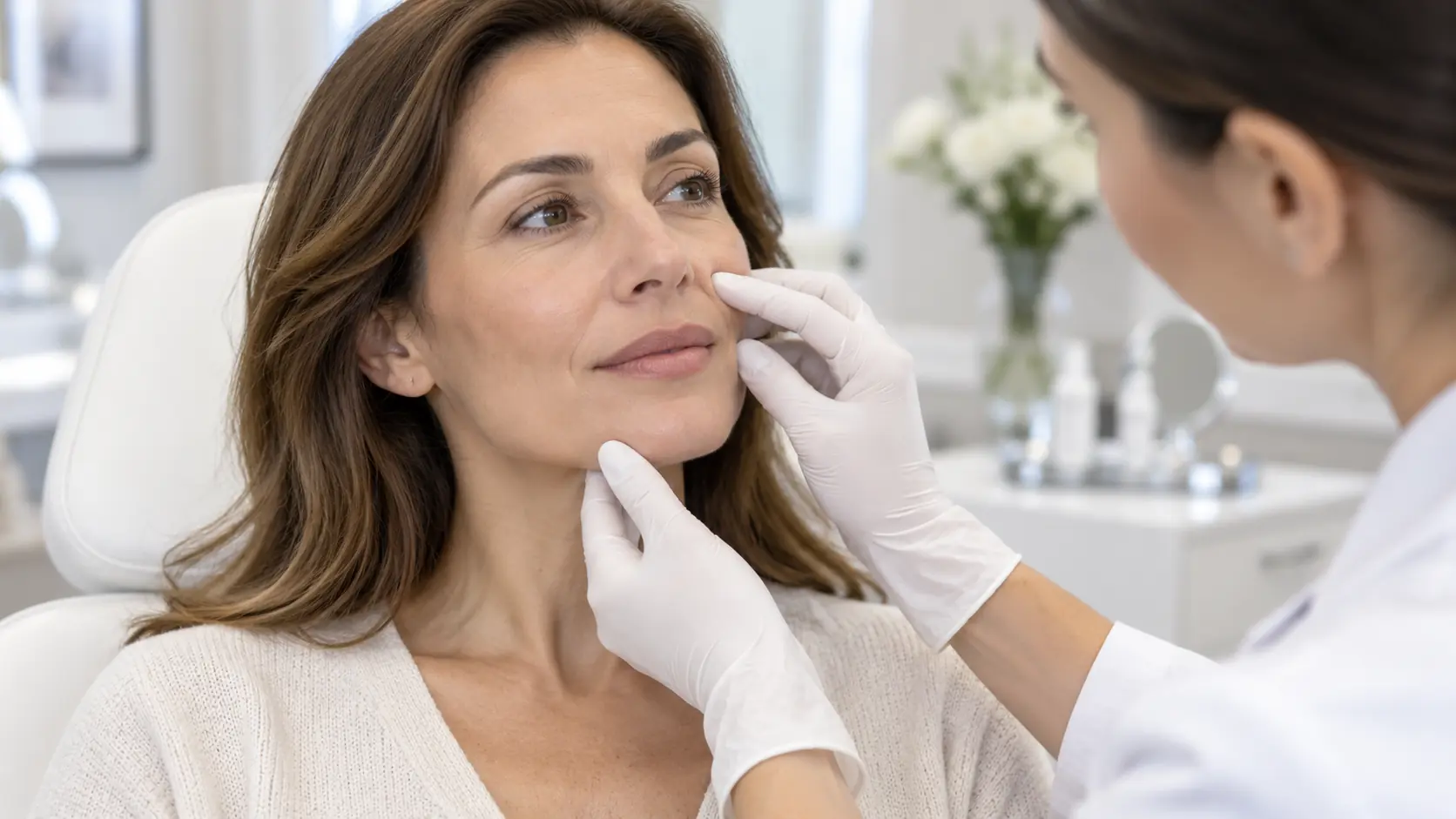
Initial assessment: realistic goals and a personalised plan
We do not take a “one size fits all” approach. During the assessment:
- we review your medical history, medication and habits
- we analyse hydration, texture, elasticity and real needs
- we set specific goals (and realistic ones, please)
A realistic goal would be: “I want to look fresher and for my skin to feel more comfortable”. Not: “I want zero pores and to look 10 years younger in 3 days”. (We understand each other.)
Injection techniques: micro-injections, cannula and usual protocols
Depending on the area, we may work with:
- micro-injections (a very common technique)
- cannula in areas where greater safety or better distribution is preferable (and fewer needle pricks)
- point-by-point protocols (“mapping”) to distribute the product evenly
The session is usually fairly quick: between 20 and 45 minutes, depending on the areas.
Does it hurt? Anaesthetic options and how to reduce discomfort
The million-dollar question. Most people describe it as uncomfortable but tolerable. We can use:
- anaesthetic cream
- local cooling
- injection techniques and pacing that minimise discomfort
Real advice: coming in unhurried and stress-free helps. It may sound silly, but it makes a difference.
Results: when they show, how long they last and how many sessions are recommended
Week-by-week progress: what usually happens after the first session
The typical course (although every skin has its own pace):
- First 24–72 h: there may be small bumps at the injection points, some redness or slight swelling.
- Week 1: the skin starts to look more hydrated and with better texture.
- Weeks 2–4: the result becomes more evident: more radiance, make-up looks lovelier, skin is more even.
People often tell us: “I don’t know what you’ve done, but I look better”. And that is exactly what we are aiming for.
As for sessions, an initial protocol of 2–3 sessions is common (depending on the product and the skin), followed by maintenance.
Maintenance: recommended frequency according to age, skin and lifestyle
As a general guide (very general):
- young skin with dehydration: maintenance every 6–9 months
- more mature skin or skin very exposed to sun/stress: every 4–6 months
- specific cases: a seasonal boost (for example, after summer or in winter)
It is not rigid: we adjust according to progress.
Before and after: what really changes (with no miracle promises)
What usually really changes:
- plumper skin with better elasticity
- more consistent radiance
- smoother, more even texture
- “softer” fine lines (not 100% erased)
What we do NOT usually promise:
- removing deep wrinkles
- lifting a face with marked laxity
- changing facial structure
There are other tools for that, and sometimes the best approach is to combine… but sensibly.
Side effects and risks: what is normal vs. warning signs
Expected reactions: redness, swelling, small bruises
The most common:
- mild redness
- moderate swelling
- small bruises (especially if you are prone to them or take certain supplements/medication)
They usually resolve within a few days. Sometimes in 24 hours, sometimes in 5–7 days if there is a bruise.
When to get in touch: severe pain, colour changes, persistent lumps
Here we are firm. If you notice:
- severe pain that does not ease
- striking changes in colour (marked paleness, an unusual pattern)
- significant local heat
- lumps that do not improve as the days go by
You should contact the clinic for an assessment. It is uncommon, but you need to know.
Contraindications: who should avoid or postpone them
In general, they are usually avoided or postponed in cases such as:
- pregnancy and breastfeeding (as a precaution)
- active infections in the area
- significant inflammatory flare-ups
- some uncontrolled autoimmune diseases (individual assessment)
- known allergies to components (rare, but possible)
And if you take anticoagulants or antiplatelet drugs, it is not always a contraindication, but it needs to be carefully planned.
Aftercare: what to do in the first 24–72 hours to optimise the result
A compatible skincare routine: cleansing, hydration and sun protection
The first 24–72 hours are usually about “pampering”:
- gentle cleansing
- a simple moisturiser (without harsh actives)
- daily sun protection (yes, even when it is cloudy… we know)
What to avoid: heat, intense exercise, alcohol and massaging the area
It is best to avoid:
- saunas, very hot baths, intense heat
- strenuous exercise for 24–48 h
- alcohol that day (because of bruising and inflammation)
- massaging the area (unless we tell you otherwise)
These are simple measures, but they help make recovery more comfortable.
Skinboosters vs. other aesthetic medicine treatments
Facial mesotherapy: similarities and differences
They are similar in technique (micro-injections), but mesotherapy usually uses cocktails of vitamins and other actives, whereas skinboosters tend to focus more on hyaluronic acid for sustained hydration. Sometimes they are combined or alternated, depending on the goals.
Biostimulation with collagen stimulators: when each is appropriate
If the main goal is skin quality and hydration, skinboosters are a great fit.
If what we are after is improving firmness and stimulating collagen more markedly, collagen stimulators come into play (always with a medical indication and planning). Often the ideal is not to choose “one or the other”, but to sequence them well.
Laser, peels and microneedling: combinations and waiting times
They can be combined, yes, but with the right intervals:
- after laser or a medium-depth peel, we usually wait until the skin is stable
- with microneedling, it depends on the protocol and skin sensitivity
Clinical logic rules here: calm skin, a healthy skin barrier, and then we treat.
Price: factors that affect the cost (without going for “the cheapest”)
Product, quantity and number of vials
The cost depends largely on:
- brand and formulation
- quantity needed (vials)
- goal (one area vs. several)
The practitioner’s experience and type of clinic
This is important: the result depends not only on the product, but on how it is indicated and how it is injected. Experience, technique and clinical safety all play a part.
Area treated and protocol (initial + maintenance)
Treating the whole face does not cost the same as treating a single area, and a one-off session is not the same as a 3-session plan with annual maintenance. Ideally, we assess you and give you a transparent quote, with no small print.
How to choose a clinic and practitioner: a checklist for a safe decision
Qualifications, experience and realistic expectations
Quick checklist:
- Are you seen by a doctor trained in aesthetic medicine?
- Do they explain the options and limitations without overselling?
- Do they propose a realistic plan, not “everything now and all at once”?
A reputable clinic does not promise miracles. It offers achievable improvements.
Brands, traceability and informed consent
Key points:
- products from recognised brands
- traceability (batch, registration)
- clear informed consent
- a protocol for dealing with complications (because this is also part of safety)
Frequently asked questions about skinboosters
Can I wear make-up afterwards?
Ideally, wait at least 24 hours, especially if there are visible injection points. If you absolutely need to wear make-up, mineral make-up applied very lightly is best, but we will tell you what is advisable in your case.
Are they compatible with Botox or fillers?
Yes, they are usually compatible. In fact, they combine very well because each does “its own job”. What matters is planning the order and the sessions.
From what age do they make sense?
It is not a question of age, but of skin. There are young patients with dehydration and uneven texture, and more mature patients who use them as part of an overall rejuvenation plan.
Are they suitable in summer?
Yes, with some caveats: avoid direct sun immediately afterwards, take care with sun protection and plan around any events or holidays. Even so, many people have them before or after the summer to restore their skin.
What happens if I stop having them?
You do not “get worse” by stopping. Your skin simply returns gradually to its baseline state over time. There is no strange rebound effect.
Conclusion: when they are worth it and how to start with a plan that works
Skinboosters are worth it when you want to improve the quality of your skin naturally: more hydration, more glow, better texture and a more rested look. They do not replace every treatment, but they are a very solid foundation for your skin to look good… and for other treatments (or your skincare routine) to shine even more.
If you are considering it, our recommendation is to start with the most sensible step: a medical assessment and a personalised plan. Sometimes it will be a protocol of 2–3 sessions; at other times, a single session before a particular time of year; and at others, we will combine it with biostimulation, laser or a good skincare plan. What matters is that it works for you, without exaggeration and with sound judgement.
[googlesitekit-end-of-content]