Adult acne: causes, hormones and how to improve your skin
Dr Eva Garrigós · 22 September 2025
Adult acne: causes, hormones and how to improve your skin
Adult acne does not only affect the skin; it can also have an impact on self-esteem, confidence and quality of life. That is why it is important to understand what causes it and what we can do to improve it.
I am Dr Eva Garrigós, and in this blog I want to talk to you about something I am seeing more and more often in my clinic: acne in adulthood.
For years we thought acne was a problem exclusive to adolescence, but the reality is that many women and men suffer from it after the age of 25, and even past 40.
Adult acne does not only affect the skin; it can also have an impact on self-esteem, confidence and quality of life. That is why it is important to understand what causes it and what we can do to improve it.
What exactly is acne?
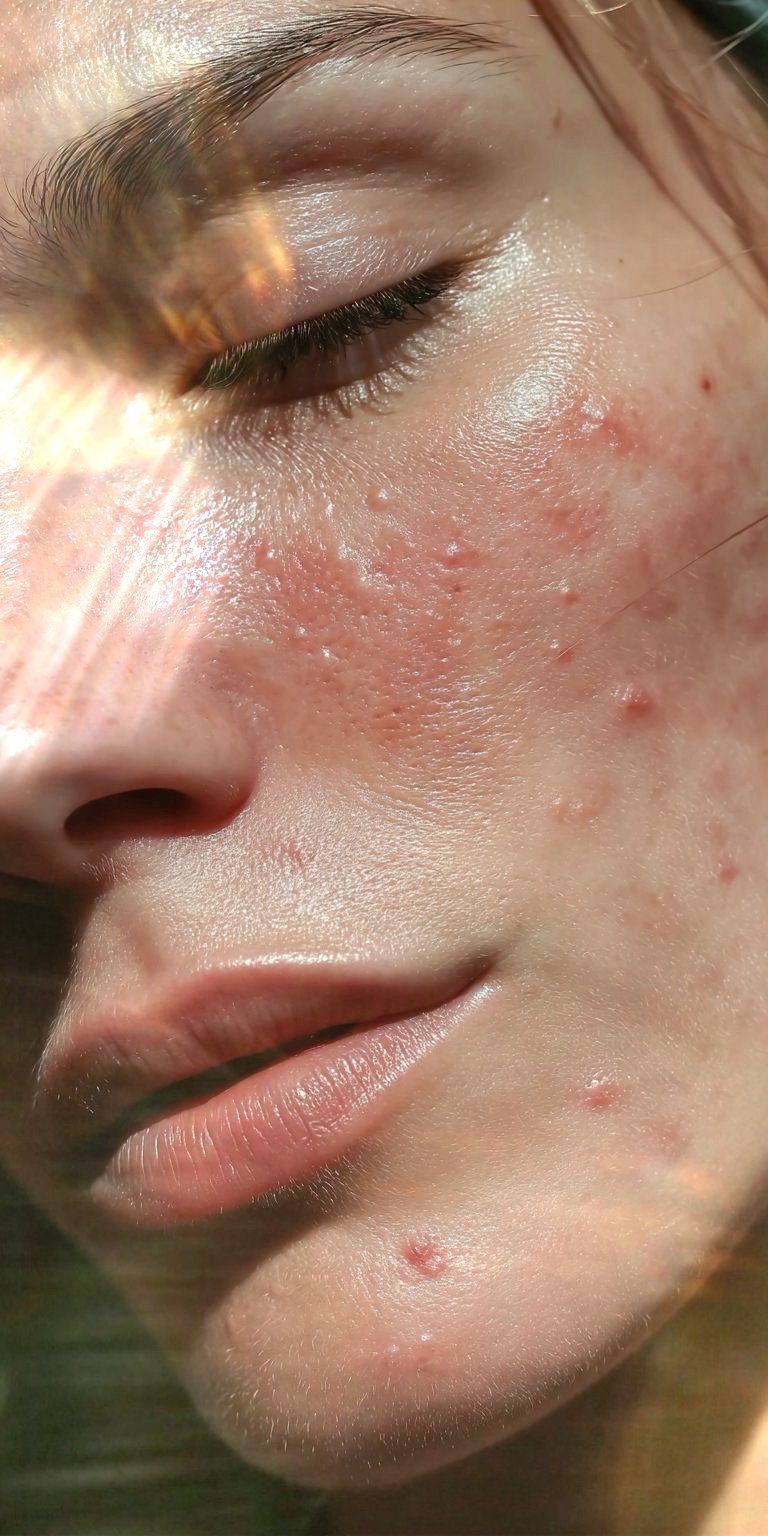
Acne is a chronic inflammatory skin condition that appears as spots, blackheads, pustules or deeper lesions such as cysts.
It originates in the pilosebaceous follicles, the small structures in the skin that contain the pores and sebaceous glands.
When there is excessive sebum production, it builds up together with dead skin cells. If the pores become blocked, bacteria present on the skin, such as Cutibacterium acnes, take advantage of this environment to multiply, causing inflammation and the characteristic lesions.
Why does acne appear in adults?
The causes of adult acne are complex and usually involve a combination of factors. Among the most common are: • Hormonal imbalancesMany women notice breakouts before their period, due to changes in oestrogen and progesterone levels. In cases of polycystic ovary syndrome (PCOS) or endocrine disorders, acne can be more persistent. • Chronic stressStress raises levels of cortisol, the stress hormone, which promotes inflammation and stimulates the sebaceous glands. • Genetic factorsIf there is a history of acne in your family, you are more likely to develop it as an adult. • Unsuitable cosmeticsUsing comedogenic products (which clog the pores) can worsen or perpetuate acne. • Lifestyle habitsLack of sleep, smoking, too much alcohol or a diet high in sugar and ultra-processed foods can make the problem worse.Which hormones are involved in acne?
Androgen hormones, such as testosterone and dihydrotestosterone (DHT), are mainly responsible for stimulating sebum production.
In women, an excess of androgens or greater sensitivity of the sebaceous glands to these hormones can trigger acne breakouts.
In addition, cortisol (the stress hormone) also plays an important role, as it increases inflammation and can upset the balance of other hormones.
Does coffee make acne worse?
Coffee itself is not a direct cause of acne. However, its caffeine content can raise cortisol levels if consumed in excess, which could worsen breakouts in people who are prone to them.
How we take it also matters: coffee with sugar or whole milk can increase inflammation and affect the skin.
On the other hand, moderate consumption combined with good hydration need not be harmful.
Other factors that can make acne worse
• Lack of rest: getting too little sleep directly affects cell regeneration and increases inflammation.• Diet: dairy, refined sugars and ultra-processed foods are the main enemies of acne-prone skin.• Menstrual cycles: many women find their skin gets worse just before their period, because of hormonal changes.• Exposure to pollution: this can increase clogging of the pores.What can we do to improve acne?
Treatment should always be personalised. There is no single solution that works for everyone, but there are measures that help in general: 1.A suitable cleansing routine• Use gentle cleansers designed for oily or combination skin.• Avoid overly harsh products that irritate the skin. 2.Tailored skincare• Non-comedogenic creams.• Ingredients such as salicylic acid, niacinamide or retinoids, under medical supervision. 3.A balanced diet• Eat more fruit, vegetables, oily fish and foods rich in antioxidants.• Cut down on sugar, dairy and ultra-processed foods. 4.In-clinic medical treatments• Chemical peels: help to renew the skin and unclog the pores.• Deep cleansing facials: improve inflammation and texture.•Photobiodynamic therapy: antibacterial effect and regulation of the sebaceous glands• Microneedling: stimulates collagen production and cell renewal, helping to repair marks and small post-acne scars.•Prescribed oral or topical treatments, in more resistant cases. 5.Prioritise rest and manage stressRestorative sleep and techniques such as meditation, yoga or mindful breathing can make a big difference to your skin.My final advice
Adult acne is a very common problem, but it can be treated. The key is to identify the cause in each case and design a tailor-made treatment plan.
We should not normalise it or resign ourselves to living with it, because today we have highly effective medical tools to improve both the skin and self-confidence.
👉 If you have been struggling with acne for some time and feel that nothing works, I invite you to visit us at the clinic. Together we will find the treatment your skin needs to look healthy, radiant and balanced again.
You can visit us in central Alicante, at Dr Garrigós Clinic.
-
 03 Jun 2026
Facial vitamin injections: what they are, their benefits and when they are worth it
-
 20 Apr 2026
Anti-acne, depigmenting or pro-aging peel: which one does your skin need?
-
 15 Apr 2026
Which facial treatment to choose if you have pigmentation, redness or enlarged pores
-
 10 Mar 2026
Skinboosters: what they are, what they are for and what results you can expect
-
 05 Mar 2026
Microneedling: what it is, how it works and whether it is worth it for your skin